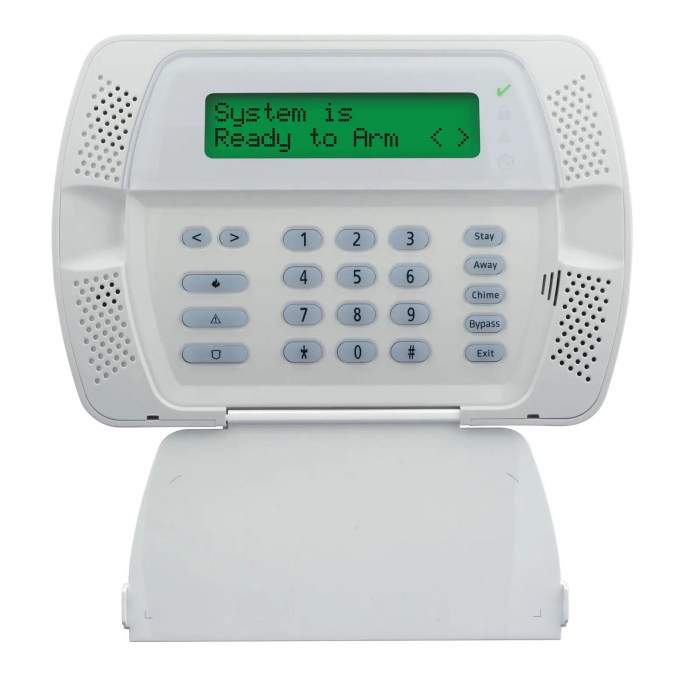
Step into the world of home security with the best alarms to keep your abode safe and sound. From wired to wireless systems, we’ve got you covered with everything you need to know.
Explore the different types, factors to consider, installation processes, integration with smart home tech, and the importance of maintenance and monitoring. Get ready to fortify your home like never before!
Types of Security Alarms
When it comes to protecting your home, security alarms are essential in providing peace of mind. There are various types of security alarms available, each offering different features and benefits to suit your needs.
Wired Security Alarms
Wired security alarms are connected to your home’s electrical system and are typically installed during the construction phase. These alarms are hardwired into the walls and ceilings of your home, providing a reliable and stable connection. Some key features of wired security alarms include:
- Reliable connection
- Less susceptible to interference
- Low maintenance
Wireless Security Alarms
Wireless security alarms, on the other hand, do not require any hardwiring and operate using radio frequency technology to communicate with the control panel. They are easier to install and can be placed in various locations throughout your home. Some benefits of wireless security alarms include:
- Easy installation
- Flexibility in placement
- No drilling or wiring required
Whether you choose wired or wireless security alarms, both types offer the primary function of alerting you to any unauthorized entry or potential threats to your home. Consider your specific needs and preferences to determine which type of security alarm is the best fit for your home.
Factors to Consider
When choosing a security alarm for your home, there are several important factors to consider to ensure you get the best protection possible. From the size and layout of your home to the reputation of different brands in the market, these factors can greatly impact the effectiveness of your security system.
Customization Based on Home Size and Layout
It’s crucial to customize your security alarm system based on the size and layout of your home. A larger home may require more sensors and cameras to cover all entry points, while a smaller home may only need a basic system. Consider the layout of your home as well, as certain areas may be more vulnerable to break-ins than others.
By customizing your security system to fit your specific needs, you can maximize protection and minimize blind spots.
Comparing Different Brands and Their Reputation
When it comes to security alarms, not all brands are created equal. It’s essential to research and compare different brands to determine which ones have a strong reputation in the market. Look for brands that have a history of reliability, quality products, and excellent customer service. Reading customer reviews and seeking recommendations from friends and family can also help you gauge the reputation of different brands.
Choosing a reputable brand can give you peace of mind knowing that your home is protected by a trusted security system.
Installation Process
When it comes to installing security alarms in homes, it is crucial to follow the proper steps to ensure that the system functions effectively. Whether you opt for professional installation or decide to go the DIY route, understanding the installation process is essential.
Step-by-Step Guide for Installing a Security Alarm System
- Choose the location for the control panel, typically near the main entrance for easy access.
- Install the sensors on windows and doors, ensuring they are placed securely and aligned properly.
- Mount the motion detectors in strategic locations to cover key areas of your home.
- Connect the control panel to the sensors and detectors following the manufacturer’s instructions.
- Test the system to ensure all components are working correctly and communicate with the control panel.
- Set up any additional features, such as remote access or monitoring services, if applicable.
Importance of Professional Installation versus DIY Options
While some homeowners may prefer the convenience and cost savings of a DIY installation, opting for professional installation can offer several advantages:
Professional installers have the expertise and experience to ensure that the system is set up correctly and functions optimally.
They can provide guidance on the best placement of sensors and detectors for maximum security coverage.
Professional installation may also include warranty coverage and ongoing support for maintenance and troubleshooting.
Integration with Smart Home Technology
Smart home technology has revolutionized the way we live, offering convenience, efficiency, and security like never before. When it comes to security alarms for homes, integrating them with smart home technology takes protection to the next level. Let’s explore how security alarms can be seamlessly integrated with smart home systems and the benefits of having a smart security system.
Benefits of Smart Security Systems
- Remote Monitoring: With a smart security system, you can monitor your home from anywhere using your smartphone or tablet. Receive real-time alerts and footage of any suspicious activity.
- Integration with Other Smart Devices: Smart security alarms can be integrated with other smart home devices such as smart locks, lights, and cameras for a comprehensive security solution.
- Automation and Control: Automate your security system to arm/disarm at specific times or based on your location. Control your security settings with voice commands or through a mobile app.
- Increased Peace of Mind: Knowing that your home is protected and being able to monitor it remotely provides peace of mind whether you are at home or away.
Popular Home Automation Platforms Compatible with Security Alarms
- Amazon Alexa: Many security alarm systems are compatible with Amazon Alexa, allowing you to control your security settings using voice commands.
- Google Assistant: Google Assistant integration enables you to manage your security system through voice commands and access security alerts on your Google devices.
- Apple HomeKit: For Apple users, HomeKit-compatible security alarms offer seamless integration with other HomeKit-enabled devices for a unified smart home experience.
- Samsung SmartThings: Samsung SmartThings is a versatile platform that allows you to connect and control a wide range of smart devices, including security alarms, for enhanced home security.
Maintenance and Monitoring
Regular maintenance is crucial for ensuring that security alarms in homes function properly and provide the necessary protection. This involves performing routine checks and addressing any issues promptly to keep the system running efficiently. Additionally, professional monitoring services play a key role in enhancing home security by providing round-the-clock surveillance and immediate response in case of emergencies.
Importance of Regular Maintenance
Regular maintenance helps to ensure that security alarms are always ready to detect and alert homeowners of any potential threats. This proactive approach can prevent malfunctions or system failures that may compromise the overall security of the home.
- Test the alarm system regularly to confirm that all sensors, cameras, and other components are working correctly.
- Check and replace batteries as needed to ensure continuous power supply for the alarm system.
- Clean sensors and cameras to prevent dust or debris from affecting their performance.
- Update software and firmware to protect against cybersecurity threats and ensure optimal functionality.
Professional Monitoring Services
Professional monitoring services provide an additional layer of security by having trained professionals monitor the alarm system remotely. In the event of an alarm activation, these monitoring stations can quickly assess the situation and contact the appropriate authorities, such as the police or fire department, if necessary.
Having professional monitoring services can give homeowners peace of mind knowing that their home is being watched over 24/7, even when they are away.
Benefits of Investing in a Quality Security Alarm System for Your Home
Investing in a quality security alarm system not only provides peace of mind but also has tangible benefits for your home and family.
Increased Home Value
Installing a top-notch security alarm system can significantly increase the value of your home. Potential buyers are often willing to pay more for a property that already has a reliable security system in place. This added feature can set your home apart from others on the market and make it more appealing to buyers looking for a secure living environment.
Impact on Insurance Premiums
Having a security alarm system in your home can lead to lower insurance premiums. Insurance companies see homes with security systems as lower risks, resulting in potential discounts on your premiums. By investing in a quality security system, you not only protect your home and family but also save money in the long run.
Peace of Mind for Families
One of the most significant benefits of having a security alarm system is the peace of mind it provides for families living in the house. Knowing that your home is protected by a reliable security system can alleviate stress and fear, especially when you are away from home or at night. This sense of security allows families to feel safe and comfortable in their own living space.
Last Recap

As we wrap up our journey through the realm of home security alarms, remember that safeguarding your home is not just about protection—it’s about peace of mind. Invest in the best security system for your home and rest easy knowing you’ve taken the necessary steps to secure your loved ones and valuables.
Questions Often Asked
Which type of security alarm is best for a small home?
For a small home, a wireless security alarm can be a great choice due to easy installation and flexibility.
How often should I perform maintenance on my security alarm system?
Regular maintenance should be done at least once a year to ensure optimal performance.


